There’s a Monster in Your Book
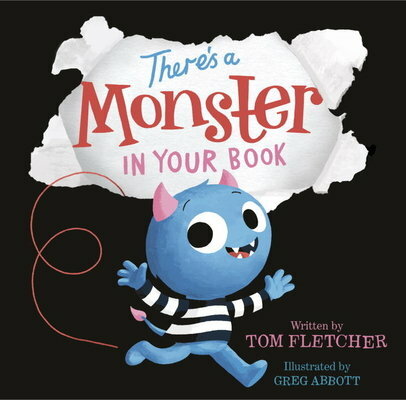
There’s a Monster in Your Book: A Funny Monster Book for Kids and Toddlers [Tom Fletcher] [Illustrator Greg Abbott]
There’s a Monster in Your Book Read More »
There’s a Monster in Your Book: A Funny Monster Book for Kids and Toddlers [Tom Fletcher] [Illustrator Greg Abbott]
There’s a Monster in Your Book Read More »
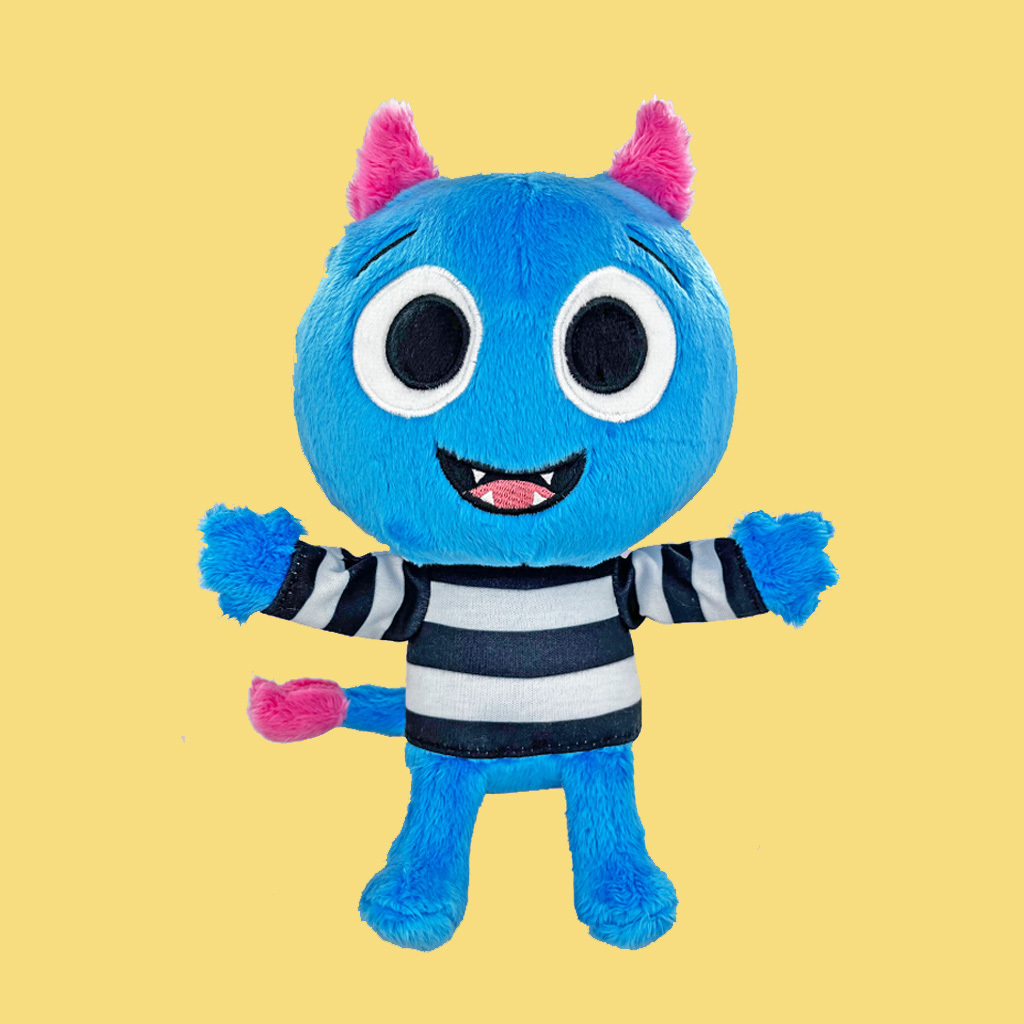
There’s a Monster in Your Book! is from the popular Who’s In Your Book series, created by Tom Fletcher. Now you can act out this hilarious book with your very own matching plush Monster! Measuring 10″ tall, Monster is made with bright fuzzy blue fabric, bold embroidered details, black and white striped shirt, and a pink-tipped tail. Whether you shake, tickle, wiggle, or read to your Monster, you’ll be happy this monster jumped off the page and into your arms!
There’s a Monster in Your Book Plush Read More »
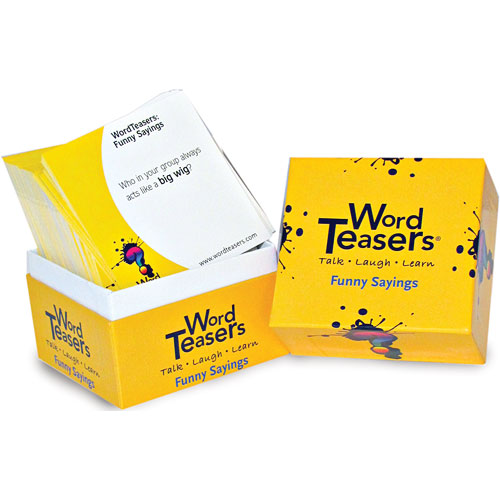
150 silly or thought-provoking conversation starters based on common phrases (e.g., raining cats and dogs). The origin of the idiom and the definition are on the back of each card.
Ages: 8+
WordTeasers: Funny Sayings Read More »
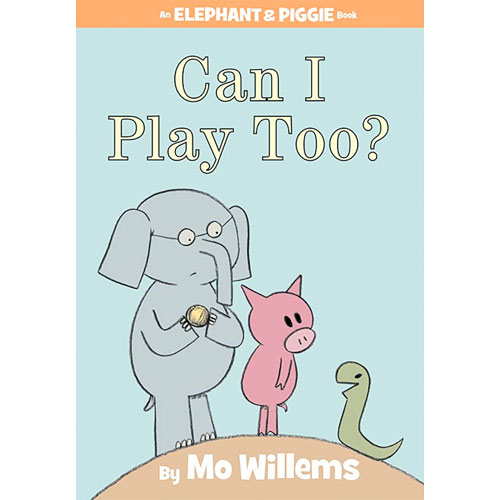
Can I Play Too? (An Elephant and Piggie Book) [Mo Willems] [Illustrator Mo Willems]
Can I Play Too? (An Elephant and Piggie Book) Read More »
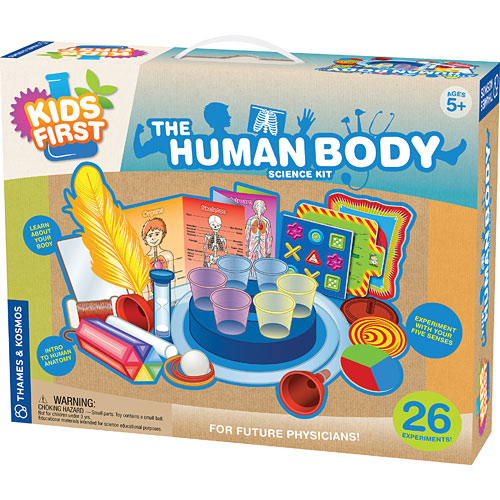
Learn about the human body by doing experiments with your five senses that show you how your body works. By exploring the external aspects of your body with hands-on experiments, you can learn a lot about the inside anatomy of the body. Examine your fingerprints to learn how you are unique. Build a stethoscope and listen to your heartbeat to learn how your heart pumps blood, and listen to your gurgling tummy to learn how your stomach works. With the stethoscope, you can investigate how your ears hear with listening games. Test your lung capacity to learn about how your lungs work. Examine your diet and your digestive functions to learn how your body processes nutrients to give you the energy to do more experiments! Try a blindfolded exercise to find out about hand-eye coordination. Take a tickle test to learn about your skin and sensory receptors. Monitor your pulse to learn about your circulatory syeducational. Follow your nose in a smell memory game to learn about your sense of smell. Take a blindfolded taste test to learn about your tongue. Try some balancing exercises to explore your muscles and bones. Discover how your ears play a role in your balance. Examine some optical illusions to explore how your eyes work. Relate your experiments back to human body syeducationals, including the internal organs, skeleton, muscles, and the circulatory syeducational, with clear and accurate anatomical illustrations.
Kids First The Human Body Read More »